
Pregnancy is one of the most transformative journeys in a woman’s life. While physical care is essential, the mental and emotional environment a mother experiences during this time deeply impacts the baby. This is the very foundation of Garbh Sanskar—an ancient Indian practice rooted in Ayurveda that emphasizes nurturing the mother’s body, mind, and soul for the holistic growth of the child.
But many mothers wonder—how do I know if I need Garbh Sanskar? In this blog, we’ll uncover the clear signs that indicate the need for Garbh Sanskar practices, blending modern-day pregnancy challenges with timeless wisdom from Indian and Marathi traditions.

1. Frequent Stress or Anxiety During Pregnancy
If you find yourself often worried, restless, or overthinking, this is one of the strongest signs that you need Garbh Sanskar. Modern studies confirm that maternal stress hormones like cortisol can influence the baby’s development.
Garbh Sanskar uses tools like:
- Meditation & Shloka chanting to calm the mind
- Positive affirmations to replace negative thoughts
- Ayurvedic herbal teas like tulsi or chamomile for relaxation
If you are feeling mentally drained, Garbh Sanskar offers the balance you need.
2. Lack of Emotional Connection with the Baby
Pregnancy is not just physical—it’s about building an emotional bond with your baby even before birth. If you feel disconnected or unable to visualize your baby, Garbh Sanskar is the answer.
Practices like:
- Talking to the baby daily
- Listening to devotional music (bhajans, abhangas in Marathi culture)
- Reading positive stories like Ramayana, Bhagavad Gita, or Sant Dnyaneshwar’s teachings
help in creating a soul-to-soul connection.
3. Constant Fatigue and Lack of Energy
If tiredness and low energy dominate your day, it’s a clear signal to adopt Garbh Sanskar. Ayurveda explains that imbalance of doshas (Vata, Pitta, Kapha) during pregnancy often causes fatigue.
Garbh Sanskar recommends:
- Ayurvedic diet rich in sattvik foods (ghee, milk, fruits, vegetables)
- Daily light yoga to maintain energy flow
- Marathi traditions like having a soothing ukad (herbal porridge) for nourishment

This helps restore vital energy (ojas) essential for both mother and baby.
4. Overexposure to Negative Environment
In today’s world, constant exposure to news, stress at work, or toxic surroundings can influence your emotional state—and therefore your baby’s development.
If you notice:
- Feeling irritated after social media or news
- Getting easily affected by others’ words
- Losing patience with loved ones
…it’s a sign you need Garbh Sanskar.
Creating a positive environment at home with mantras, rangoli, flowers, and incense is a traditional yet powerful way to shield yourself from negativity.
5. Physical Discomforts Becoming Overwhelming
Morning sickness, body aches, disturbed sleep—if these physical symptoms are making pregnancy difficult, Garbh Sanskar can help. Ayurveda offers natural remedies like:
- Abhyanga (oil massage) with warm sesame or coconut oil
- Pranayama for better breathing and relaxation
- Seasonal home remedies from Marathi households (like ajwain water for digestion)
These practices keep the body strong and relaxed.
6. Doubts or Fear About the Future
It’s natural for mothers to worry about childbirth, baby’s health, or managing responsibilities. But when fear becomes overwhelming, it’s a clear sign for Garbh Sanskar.
Practices like:
- Reading positive pregnancy stories
- Chanting mantras like “Om Namah Shivaya” or “Sant Tukaram Abhangs”
- Visualizing a healthy, happy baby
replace fear with confidence.
7. Desire for Spiritual and Cultural Connection
Many mothers feel the need to connect with their roots, culture, and spirituality during pregnancy. If you find yourself wanting to explore your traditions, Garbh Sanskar is a natural fit.
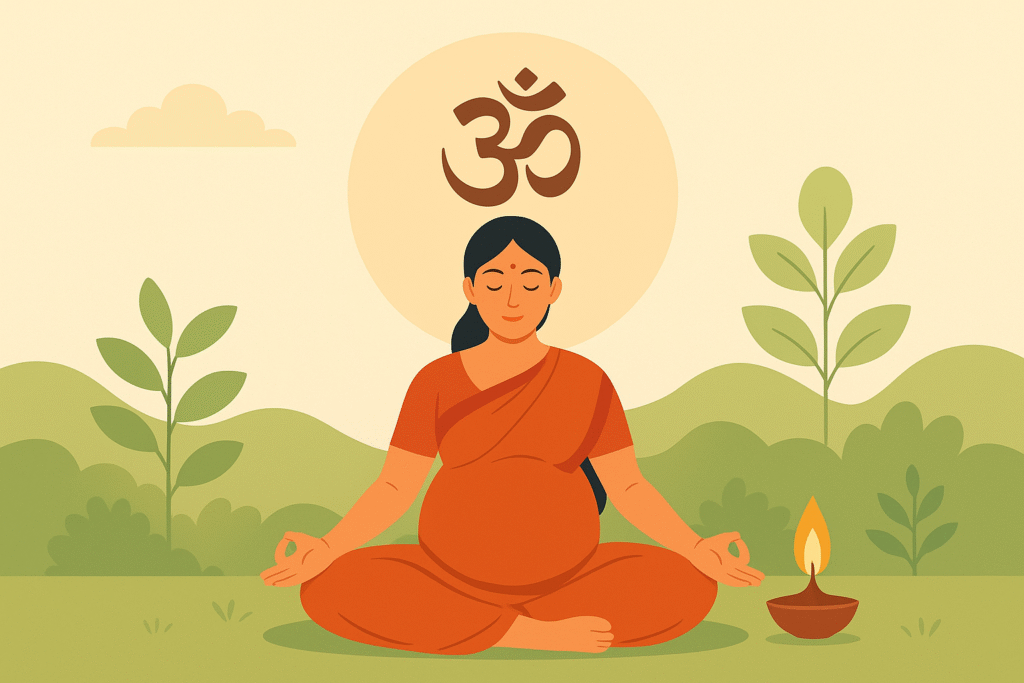
- In Marathi culture, singing ovi (folk songs) or listening to Sant Tukaram and Sant Dnyaneshwar’s abhangas is a traditional Garbh Sanskar practice.
- Reading holy scriptures and celebrating festivals like Janmashtami or Ganesh Chaturthi with devotion brings positivity to both mother and baby.
How to Begin Garbh Sanskar if You See These Signs
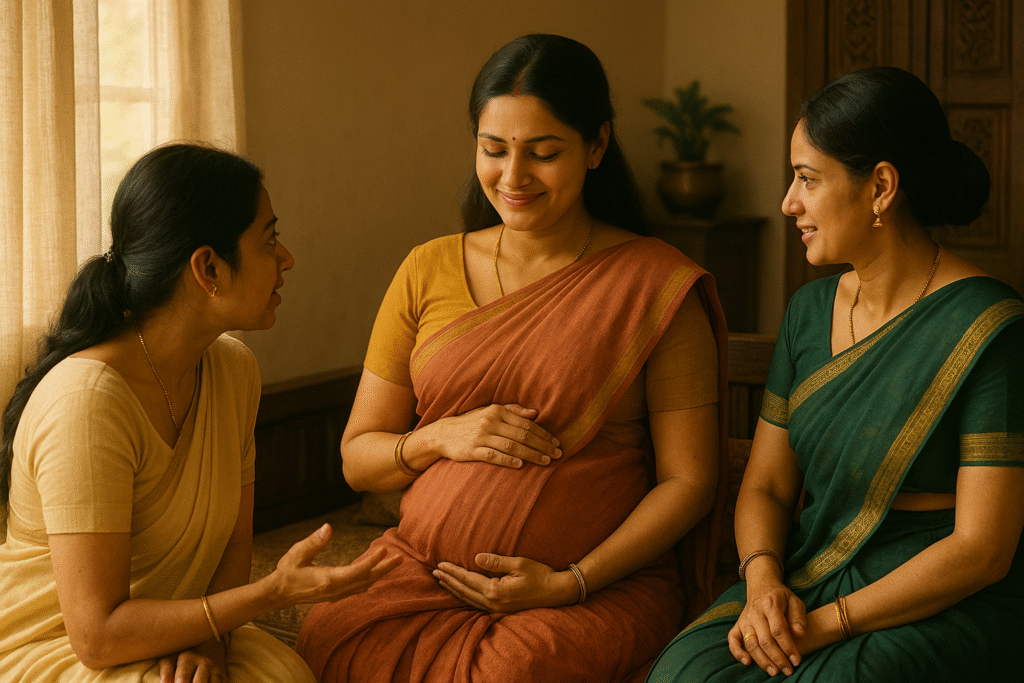
- Daily Routine – Follow a sattvik diet, yoga, meditation, and early sleep
- Mental Care – Avoid negativity, embrace affirmations, and practice gratitude
- Cultural Practices – Sing bhajans, read holy texts, and connect with family traditions
- Ayurvedic Guidance – Use herbal remedies and massages for physical well-being
Direct Link of workshop
Links to Other Blogs
- Nutrition Secrets for a Happy Pregnancy: Insights from Garbh Sanskar & Marathi Traditions
- Why Positive Thinking Shapes Your Baby’s Future: An Ayurvedic Perspective
- 10 Daily Practices for a Healthy Pregnancy: An Ayurvedic Garbh Sanskar Routine
Conclusion
Your body, mind, and emotions send you signals during pregnancy. Recognizing these signs and practicing Garbh Sanskar can create a beautiful, calm, and positive experience for both you and your baby.
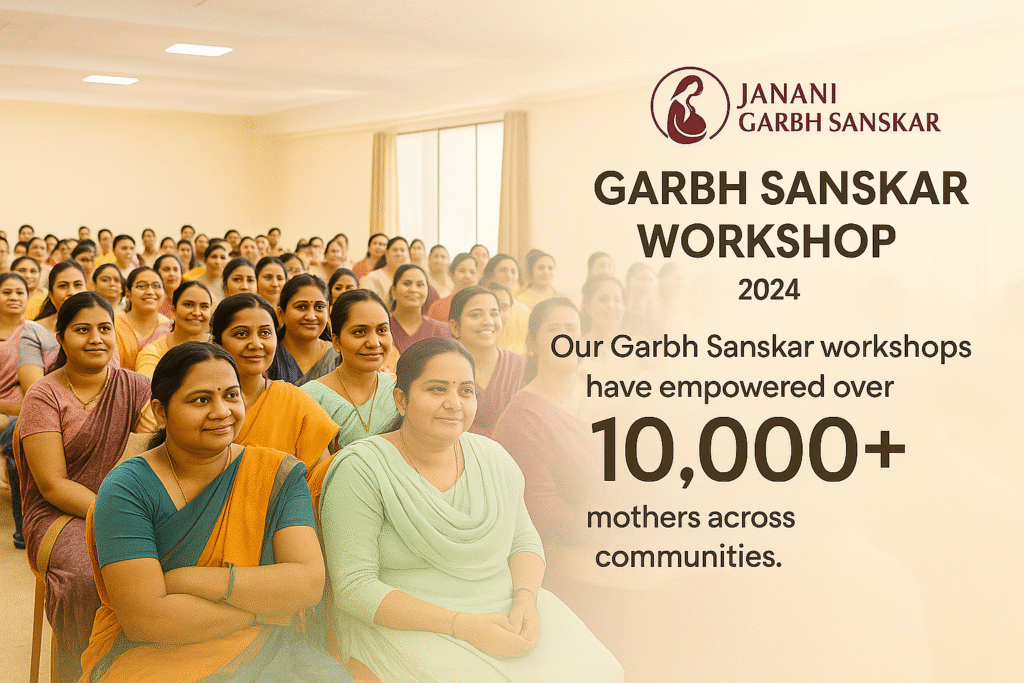
Register now for our Garbh Sanskar Workshop and learn step-by-step practices to bring peace, health, and joy into your pregnancy journey.
FAQs
Q1. What is the right time to start Garbh Sanskar?
Anytime during pregnancy, but ideally from the first trimester, is the best time to start.
Q2. Can Garbh Sanskar help with anxiety?
Yes, practices like meditation, mantra chanting, and listening to calming music reduce stress and anxiety.
Q3. Is Garbh Sanskar only about religious practices?
No, it’s a holistic approach that includes diet, lifestyle, meditation, and emotional care alongside spiritual practices.
Q4. Do Marathi traditions have unique Garbh Sanskar practices?
Yes, Marathi culture emphasizes abhangas, ovi (folk songs), and sattvik meals like ukad and panhe for expecting mothers.
Q5. Can modern mothers balance Garbh Sanskar with their busy lives?
Absolutely. Even dedicating 15–20 minutes daily to positive practices can make a big difference.